
Size
Color
Oriental
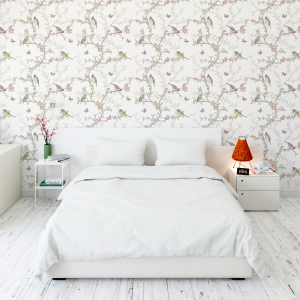
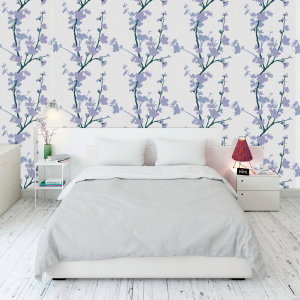
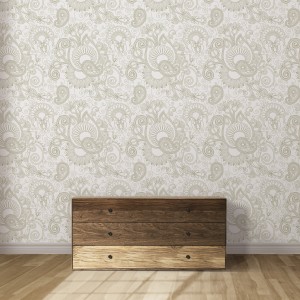
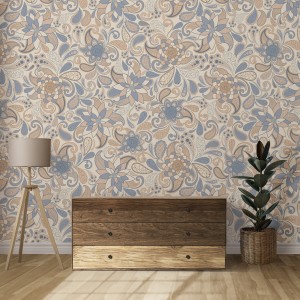
Oriental Wallpaper: Choose, Combine, and Install Easily
If you're drawn to relaxing interiors with motifs of cherry blossoms, cranes, bamboo, or Zen landscapes, Sweet Papaya's oriental wallpaper is your best ally.
It's not just "a pretty pattern" on wallpaper for wall: we're talking about an aesthetic with decades of tradition (Chinoiserie, wabi-sabi, Japandi) that introduces calm, visual rhythm, and texture without overloading.
Motifs and Styles That Look Best with Japanese Wallpaper
- Chinoiserie: painted scenes with pagodas, birds, and flowers. Elegant, with golden touches. Perfect for living rooms with mouldings, dining rooms, and stately hallways.
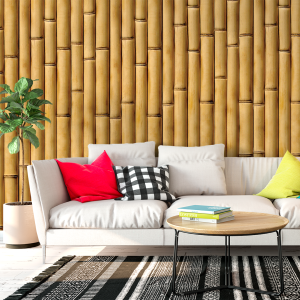
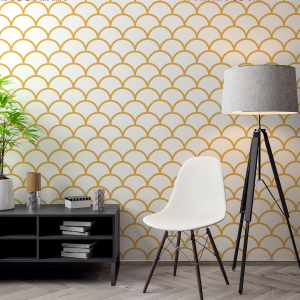
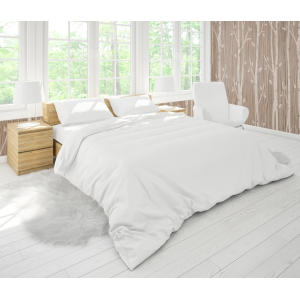
- Japandi/Zen: warm minimalism; bamboo patterns, waves (Seigaiha), brush strokes. Ideal in bright spaces with natural wood.
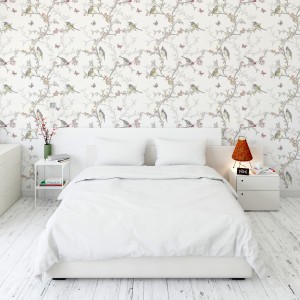
- Japanese Figurative: cherry blossoms (sakura), cranes, koi carp, Mount Fuji. Useful for creating a powerful "moment" (headboard, TV wall).
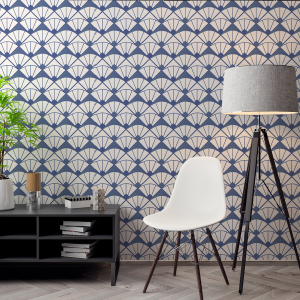
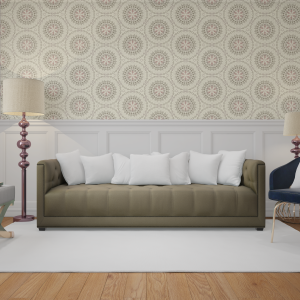
- Geometric designs with oriental touches: fans, scales, and herringbone patterns with soft palettes. They combine easily with contemporary decor.
Winning colours and combinations with wood, stone, and textiles
The oriental aesthetic shines with natural materials. Some surefire pairings:
-
Light wood + inky blue / tea green → Japandi vibe.
-
Walnut + blue/gold Chinoiserie → classic elegance with sparkle.
-
Rattan / jute + bamboo in taupe or warm gray → spa-like in the bathroom.
-
Light microcement + smoky seigaiha → relaxed minimalism.
Installation tips to avoid bubbles
Tools: appropriate glue for the substrate, roller/brush, felt-tip squeegee, sharp utility knife (multiple blades), level/laser, damp cloth, and dry cloth.
Step by step
- Preparation: Clean, dry, smooth, and sealed wall (primer if highly absorbent).
- Starting point: Never trust the corner; Draw a plumb vertical line 52–55 cm from the edge, depending on the width of the strip.
- Gluing: On non-woven fabric, glue to the wall; on paper, glue to the strip, respecting the timing.
- Installation: Present the top, let it fall, and expel the air from the centre to the sides.
- Marquee: Before attaching the second strip, align the motif at eye level; correct the rest.
- Finishing: Trim off excess with a new utility knife (change the blade every 1–2 strips).
- Outlets/corners: Cut a “cross” shape on outlets with the power turned off. At corners, avoid letting the strip “die” on the edge: go in 1–2 cm and start a new vertical line on the adjacent wall.
My little tip: Keep two spatulas handy (felt and rubber). The felt one to avoid marking matte surfaces; the rubber one for washable vinyl. And if a stubborn bubble appears, a minimal puncture with a fine needle and gentle pressure will remove it without a trace.
Was a strip damaged? No problem. At Sweet Papaya, you can order just the damaged piece without buying a whole roll. The result: a perfect wall and a budget under control.
Frequently Asked Questions about Oriental Wallpaper
Which material should I choose: vinyl, non-woven, paper-based, or self-adhesive?
- Vinyl: washable and durable; ideal for a well-ventilated kitchen and bathroom.
- Non-woven (non-woven): breathable and easy to hang (glue to the wall); perfect for the living room and bedroom.
- Paper-based: traditional; requires more care when pasting.
- Self-adhesive: reversible option for rentals or quick changes (very smooth wall).
How do I calculate how many strips/rolls I need?
Measure the width and height (take the largest), add 10% for the margin, and check the pattern repeat. Quick formula: (Wall width ÷ Useful width of strip) → round up and multiply by the height (allow for excess to match the pattern).
Can you use oriental wallpaper in bathrooms and kitchens?
Yes, if you choose vinyl and avoid direct water jets/high-temperature areas. Ventilate and seal critical joints. In kitchens, use it outside the back splash or with a protective panel.
Can the design be customized (colours, scale, strip width)?
Yes. At Sweet Papaya, we offer customization: adjust the shade, scale, and even custom-produce per wall/strip to match heights and avoid waste. Useful if you're looking for a specific shade or have special ceilings.
How do you clean and maintain Japanese wallpaper?
- Dust: dry cloth or duster weekly.
- Stains: on vinyl, damp cloth with mild soap; on non-woven, gentle touches.
- Humidity: Ventilate and avoid constant rubbing.
Save a remnant from the same batch for mini-repairs.