
Size
Color
Forest
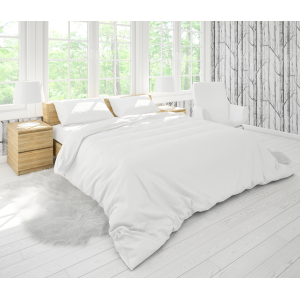
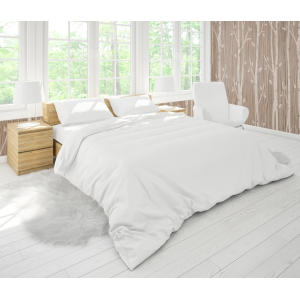
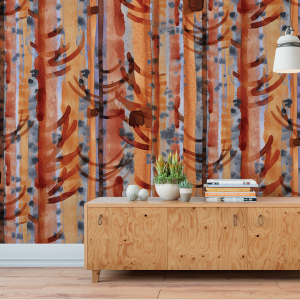
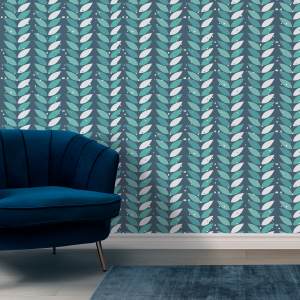
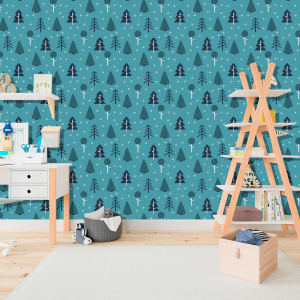
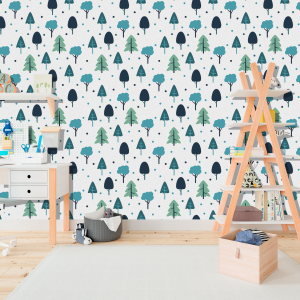
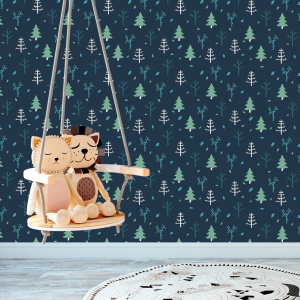
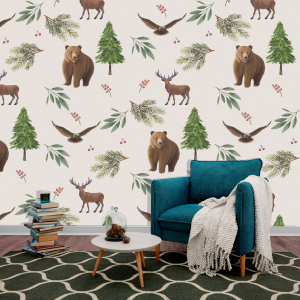
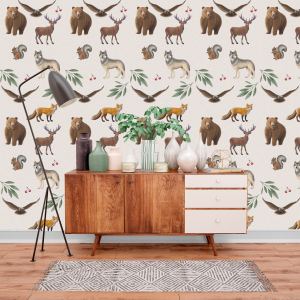
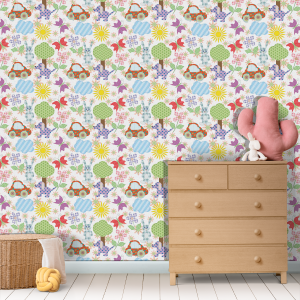
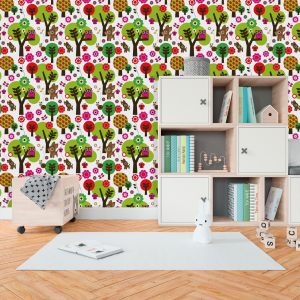
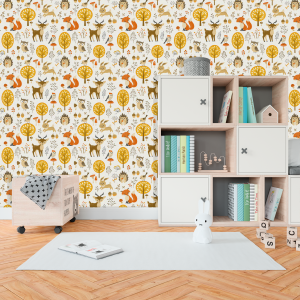
Get the Best Forest, Tree, and Branch Wallpaper
If you're looking for a wall with a “wow” effect without overpowering it, forest wallpaper is your all-rounder. It works because it adds depth (perspective), visual texture (leaves, boots, fog), and calm.
In living rooms and bedrooms, create that “breath” you used to achieve with paintings with Sweet Papaya; in narrow hallways, a forest with perspective opens up your space.
Forest Wallpaper: Styles That Work
Misty vs. Realistic Forest
Misty (mist, desaturated tones) softens contours and camouflages small imperfections. Realistic, with strong shadows and defined boots, requires more wall preparation, but the result is cinematic—ideal behind the sofa or on a long wall.
Minimalist Branches in Black and White
If you're afraid of green, black and white branches are the elegant option. They go great with light wood, raw textiles, and metallic touches.
Tip: Finish with a high baseboard or thin moulding for a clean finish.
Children's Illustration with Animals
For children's rooms, illustrated forests (watercolour style) maintain the natural theme without being scary.
Look for designs with curious critters and soft palettes. For example, a watercolour forest with sage greens and a discreet bestiary works very well in a child's bedroom: warm light all day long and zero stridency.
Quick Tip: If your room has little natural light, avoid very dark forests or compensate with warm lamps and light textiles.
Tree Wallpaper: Materials and Finishes
Before falling in love with some of our wallpaper for wall designs, decide on the material and finish. This is where durability is gained (or lost).
- Vinyl: Super-washable, resistant to rubbing and moderate humidity. Perfect for hallways, play areas, and headboards.
- Non-woven fabric (TNT): Breathable and very easy to install (glue to the wall). It's matte, elegant, and our customers' favourite choice for tree wallpaper in bedrooms and living rooms.
- Self-adhesive: quick to install, ideal for rentals or if glue makes you dizzy; the wall must be very smooth to avoid bubbles.
- Finishes: matte (sophisticated and “blunts” reflections), satin (easy to clean, more light), and special finishes like metallic (thin golden branches that add sparkle without being overwhelming).
- Quality detail: our paper is manufactured in Spain (Barcelona) with a stable weight; you'll notice it when cutting—clean edges, less risk of fraying.
Step-by-step installation for beginners
- Wall ready. Fine sanding, sealer/acrylic if porous, and a level mark the gap.
- Cut and apply. Add 5–10 cm at the top and bottom of each strip. Apply, dry to see the match (especially for tree wallpaper with pronounced trunks).
- Pasting. For non-woven wallpaper, glue to the wall; Paper-based or traditional vinyl, glue the back.
- Install from top to bottom. Take your time, align with the ceiling, and run a spatula from the centre to the edges.
- Invisible joints. Join edges without fitting them; trim off the excess with a sharp cutter.
- Final finishes. Switches removed, screw back onto the X-shaped cut. Baseboards: cut flush with a metal ruler.
When installing your forest, follow our clear installation guide and the process will be smooth. And if you get stage fright: our support team will remake the damaged piece without you having to buy a whole roll. Refresh your home today with Sweet Papaya.
Frequently asked questions about forest, tree, and branch wallpaper
Which material is best for a living room or bedroom?
For “dry” areas, non-woven fabric is very easy to install (glue to the wall), and it looks matte and elegant. If you're looking for maximum wear resistance or have children or pets, vinyl is more washable. Self-adhesive is good for quick changes or rentals, but requires a very smooth wall.
Can I use it in a bathroom or kitchen?
Yes, but choose vinyl or foamed vinyl and avoid direct splashes and continuous steam. Ventilate well, seal edges near water, and, if it's within the work area, consider protecting it with glass or a panel.
How do I calculate how many strips/rolls I need?
Divide the wall width by the strip width (53 cm, 70 cm, etc.) and round up. Add 10–20% for pattern matching and margins. Example: wall 3.50 m ÷ 0.53 m ≈ 6.6 m → you require 7 strips (and some extra for matching).
How do I clean it without damaging it?
Dust with a dry cloth. Recent stains: a slightly damp cloth and mild soap for vinyl; For non-woven fabric, use only a slightly damp cloth and do not rub hard. Avoid abrasive products and scouring pads.
Does sunlight fade it?
In direct sunlight, look for a lightfastness specification (good/very good). Use curtains/blinds or place the tree wallpaper on a side wall to minimize direct sunlight. Desaturated and matte tones age more evenly.